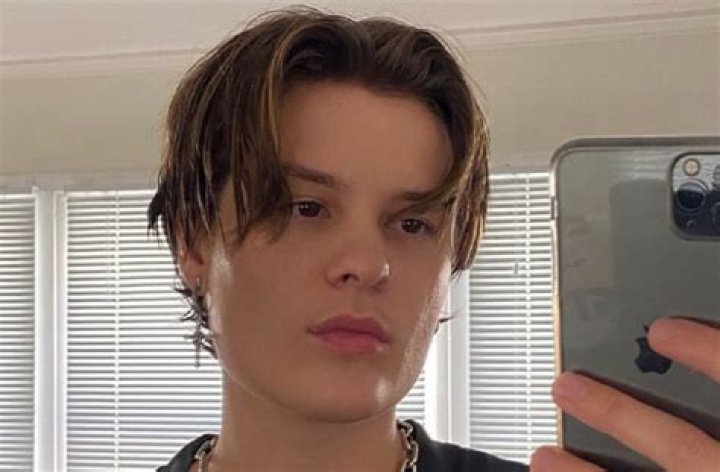
In the world of finance, few stories have captured the imagination quite like the rise of GME Roaring Kitty. This phenomenon, centered around GameStop (GME) stock, became a symbol of the power of retail investors in challenging institutional investors. It all started with a young trader named Keith Gill, who gained fame under the pseudonym "Roaring Kitty." His journey from an insurance analyst to a Wall Street legend is nothing short of remarkable.
GME Roaring Kitty's story is not just about stocks and trading; it's about the democratization of financial markets. The events surrounding GameStop stock in early 2021 became a global sensation, drawing attention from media outlets, financial experts, and even politicians. The impact of this movement extended far beyond the stock market, influencing how people perceive the role of social media in finance.
This article will delve into the fascinating world of GME Roaring Kitty, exploring the events that led to the historic short squeeze, the role of Reddit's WallStreetBets community, and the broader implications for the financial industry. By the end of this article, you will have a comprehensive understanding of why this story matters and its lasting impact on the financial landscape.
Biography of Roaring Kitty
Early Life and Career
Keith Gill, better known as "Roaring Kitty," was born and raised in the United States. Before becoming a household name in the world of finance, Gill worked as an insurance analyst. His interest in the stock market began at a young age, fueled by a desire to understand how financial markets work. Over time, Gill honed his skills in investing, eventually transitioning into full-time trading.
Below is a summary of his key personal and professional details:
| Full Name | Keith Gill |
|---|---|
| Pseudonym | Roaring Kitty |
| Occupation | Trader and Financial Educator |
| Claim to Fame | GME Short Squeeze Advocate |
| Platforms | YouTube, Reddit |
Rise to Fame
Gill's rise to fame began when he started sharing his insights about GameStop stock on platforms like YouTube and Reddit. His analysis and predictions about the potential for a short squeeze in GME stock caught the attention of retail investors who were looking for opportunities to challenge hedge funds. Gill's confident demeanor and detailed explanations made him a trusted voice in the financial community.
The GME Short Squeeze Phenomenon
The GME short squeeze became one of the most talked-about events in financial history. In early 2021, GameStop stock experienced a dramatic surge in price, driven by retail investors who coordinated their efforts through online forums. This phenomenon was fueled by the heavy short positions held by hedge funds, which created a perfect storm for a short squeeze.
- Short sellers bet against a stock by borrowing shares and selling them, hoping to buy them back at a lower price.
- When a large number of retail investors buy the same stock, it drives up the price, forcing short sellers to cover their positions by buying back shares.
- This cycle creates a feedback loop, pushing the stock price even higher.
The Role of Reddit's WallStreetBets
WallStreetBets Community
Reddit's WallStreetBets community played a pivotal role in the GME saga. This online forum became a platform for retail investors to share trading ideas, strategies, and support. The community's collaborative approach to investing demonstrated the power of collective action in the financial markets.
According to a report by Statista, the number of active users on WallStreetBets surged during the GME short squeeze, highlighting the growing influence of social media in finance.
Impact of Social Media
Social media platforms like Reddit, Twitter, and YouTube were instrumental in spreading awareness about the GME opportunity. Videos and posts by influencers like Roaring Kitty helped educate retail investors about the mechanics of short squeezes and the potential for profit.
Financial Impact and Market Reactions
The GME short squeeze had far-reaching implications for the financial markets. Hedge funds that were heavily short on GameStop stock suffered significant losses, while retail investors reaped the benefits of their coordinated efforts. The event also raised questions about market fairness and the role of short selling in the financial system.
Data from SEC filings revealed that several hedge funds had to liquidate other positions to cover their losses on GME, further destabilizing the market.
Regulatory Response to the GME Surge
SEC Investigation
The U.S. Securities and Exchange Commission (SEC) launched an investigation into the events surrounding the GME short squeeze. The inquiry focused on whether any market manipulation occurred and if brokerages acted in the best interests of their clients. The SEC's response aimed to ensure transparency and fairness in the financial markets.
Brokerage Actions
Several brokerages, including Robinhood, faced criticism for restricting trades in GameStop stock during the height of the surge. This move sparked outrage among retail investors, who accused the brokerages of siding with hedge funds. Legal challenges followed, with some investors filing lawsuits against the brokerages.
Understanding Investor Psychology
The GME saga provides valuable insights into investor psychology. Retail investors were driven by a combination of factors, including the desire to challenge established financial institutions, the thrill of participating in a historic event, and the potential for financial gain. Understanding these motivations is crucial for anyone looking to navigate the modern financial landscape.
Research from Psychology Today highlights the emotional aspects of investing, emphasizing the importance of maintaining discipline and avoiding impulsive decisions.
Long-Term Effects on Financial Markets
The GME short squeeze has left a lasting impact on the financial markets. It has prompted discussions about the need for regulatory reforms, the role of social media in finance, and the evolving relationship between retail and institutional investors. The event has also inspired a new generation of investors to take control of their financial futures.
Experts from Bloomberg predict that the influence of retail investors will continue to grow, shaping the future of financial markets.
Media Coverage and Public Perception
Global Attention
The GME story captured global attention, with media outlets around the world covering the events in detail. The narrative of retail investors taking on Wall Street resonated with many, symbolizing a David vs. Goliath battle. The coverage helped raise awareness about financial literacy and the importance of understanding market dynamics.
Public Sentiment
Public sentiment towards the GME saga was largely positive, with many people cheering on retail investors for their audacity. However, some critics raised concerns about the potential for market instability and the risks associated with speculative trading.
Lessons Learned from the GME Saga
The GME short squeeze offers several important lessons for investors and regulators alike. It underscores the importance of diversification, risk management, and staying informed about market trends. The event also highlights the need for greater transparency and accountability in the financial industry.
For retail investors, the GME saga serves as a reminder that while opportunities for profit exist, they must be approached with caution and a solid understanding of the risks involved.
Future Outlook for Retail Investors
The future looks bright for retail investors, thanks in part to the GME phenomenon. The rise of platforms like Robinhood and the increasing accessibility of financial information have empowered individuals to participate in the markets like never before. As technology continues to evolve, the role of retail investors in shaping financial markets is likely to grow even further.
Conclusion
The story of GME Roaring Kitty is a testament to the power of retail investors in challenging the status quo. From the short squeeze phenomenon to the role of social media, this event has reshaped the financial landscape in profound ways. As we look to the future, it is clear that the lessons learned from the GME saga will continue to influence how people approach investing.
We invite you to share your thoughts in the comments section below and explore other articles on our site for more insights into the world of finance. Together, let's continue the conversation and shape the future of investing.